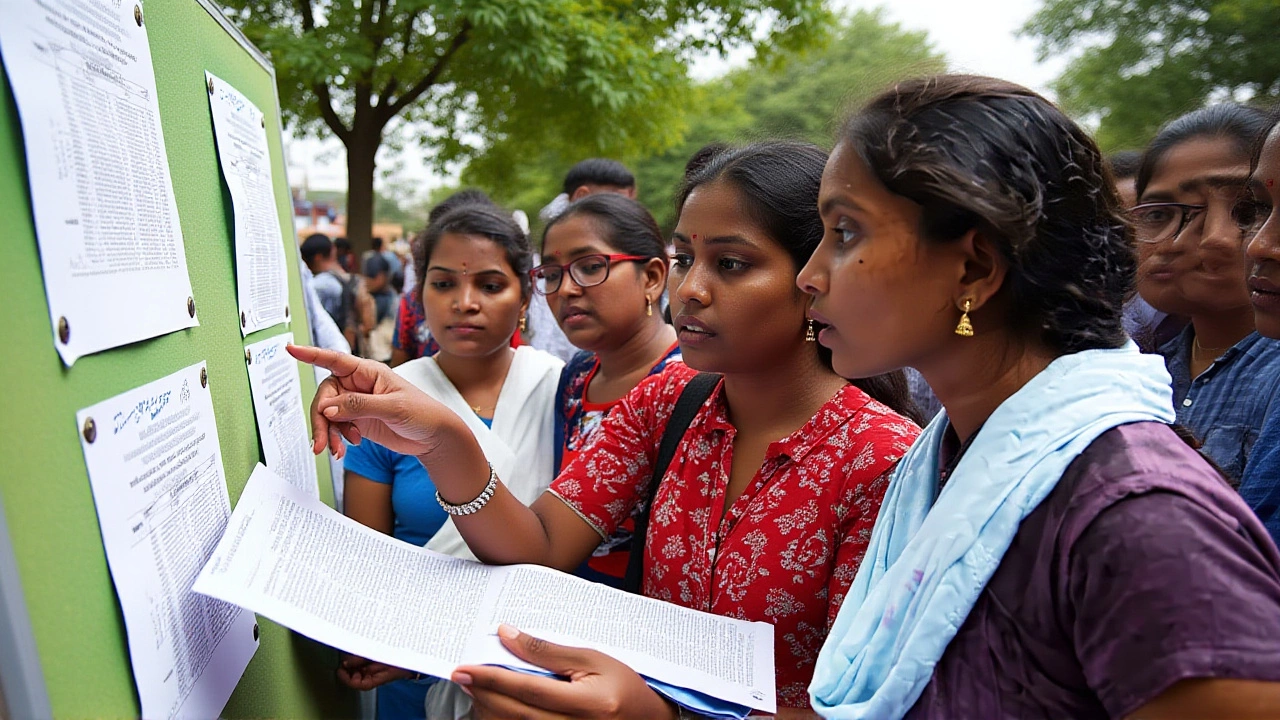
The wait is over for thousands of aspirants in Andhra Pradesh. On Monday, May 25, 2026, at precisely 11:00 AM IST, the Andhra Pradesh State Council of Higher Education (APSCHE) released the preliminary answer key and candidate response sheets for the AP EAMCET 2026Vijayawada. This move marks a critical juncture in the admission cycle for engineering, agriculture, and pharmacy courses across the state. Candidates can now verify their scores and challenge incorrect answers before the final results are declared.
Here’s the thing about entrance exams: the paper is only half the battle. The real anxiety kicks in when you’re staring at the answer key, wondering if that tricky question on thermodynamics was marked correctly. For this year’s cohort, the clock is ticking. They have until Wednesday, May 27, 2026, to raise objections. Miss that deadline, and your score is locked in.
Why This Release Matters Now
The release wasn’t just a routine administrative step. It came after a slight shift in schedule. Previously, the timeline had been ambiguous, causing confusion among students who were eagerly refreshing their browsers. The collaboration between APSCHE and Jawaharlal Nehru Technological University (JNTU Kakinada) ensured that the provisional keys were out by mid-morning. JNTU Kakinada, which has served as the convener for these exams since its establishment as the state’s first engineering institution in 1946, confirmed the revised date to ensure transparency.
For the uninitiated, AP EAMCET determines entry into some of the most sought-after professional colleges in South India. With no negative marking—meaning one mark for every correct answer and zero for wrong ones—the margin for error in the key itself can be devastating. A single disputed question could mean the difference between securing a seat in a top-tier government college or settling for a private institute with higher fees.
How to Download and Verify Your Response Sheet
Navigating the official portal can feel like walking through a maze if you haven’t done it before. But the process is straightforward once you know where to click. Here is what candidates need to do:
- Visit the official portal at cets.apsche.ap.gov.in/EAPCET.
- To view the master key (no login needed): Click on ‘Master Question Papers with Preliminary Keys’. Select your stream (Engineering or Agriculture & Pharmacy), exam date, and session shift (Forenoon or Afternoon). The PDF will load instantly.
- To download your personal response sheet: You’ll need to log in using your Registration Number and Hall Ticket Number. Click ‘Download Response Sheet’ and then ‘Get Key Details’.
Once you have both documents open side-by-side, compare your marked answers with the official key. It’s tedious work, but essential. Many students find they’ve misremembered an option or two under exam pressure. Seeing your actual bubble sheet can be a relief—or a shock.

Raising Objections: The Rs 300 Gamble
This is where things get interesting. If you believe an answer in the key is wrong, you can challenge it. But there’s a catch. You have to pay up front.
Candidates must pay a non-refundable fee of Rupees 300 per question challenged. Yes, per question. If you think five answers are wrong, that’s Rs 1,500 out of pocket. However, the system isn’t designed to penalize honest mistakes by the examiners. If the expert committee validates your objection, the fee is refunded, and the answer key is updated. If not, the money is gone, and the original key stands.
To file an objection:
- Log in to the APSCHE website.
- Select ‘Objections on Preliminary Key’.
- Enter the question number, your proposed correct answer, and a detailed justification.
- Upload supporting documents if necessary (like textbook references).
- Pay the fee online and save the acknowledgement receipt.
The window closes sharply at 11:59 PM IST on May 27, 2026. There are no extensions. No exceptions. Late submissions are simply ignored.
What Happens Next? Timeline and Expectations
After the objection period ends, the expert committee reviews all challenges. This usually takes a few days. Once the review is complete, the final answer key is published. Based on this, the final scores are calculated.
According to the official schedule, the final answer key and the AP EAMCET 2026 results are expected to be released on Monday, June 1, 2026. This tight turnaround suggests that the volume of objections might be lower than in previous years, or that the initial key was highly accurate.
Remember, you need to score at least 25% to qualify for admission counseling. For Engineering streams, that means getting 40 out of 160 questions right. For Agriculture and Pharmacy, it’s the same threshold. With the competition fierce, every point counts.
Frequently Asked Questions
Is the Rs 300 objection fee refundable?
Yes, but only if your objection is accepted by the expert committee. If the committee agrees that the preliminary key was wrong and updates the answer based on your challenge, the Rs 300 fee per question is refunded to your account. If the objection is rejected, the fee is forfeited.
Can I download the answer key without logging in?
You can view the Master Question Papers with Preliminary Keys without logging in. Simply select your stream, date, and shift on the dashboard. However, to download your specific response sheet (the bubble sheet you filled during the exam), you must log in with your registration and hall ticket numbers.
When will the final results be declared?
The final AP EAMCET 2026 results are scheduled to be released on Monday, June 1, 2026. This follows the closure of the objection window on May 27, allowing time for the expert committee to review challenges and finalize the scores.
What is the qualifying criteria for AP EAMCET 2026?
Candidates must secure a minimum of 25% marks in the examination to be eligible for admission counseling. Since there is no negative marking, this means answering at least 40 questions correctly out of 160. General category candidates may face higher effective cut-offs due to competition, but 25% is the absolute floor.
Who conducts the AP EAMCET examination?
The exam is conducted by the Andhra Pradesh State Council of Higher Education (APSCHE) in collaboration with Jawaharlal Nehru Technological University (JNTU) Kakinada. JNTU Kakinada serves as the convener, providing technical oversight and managing the examination logistics.