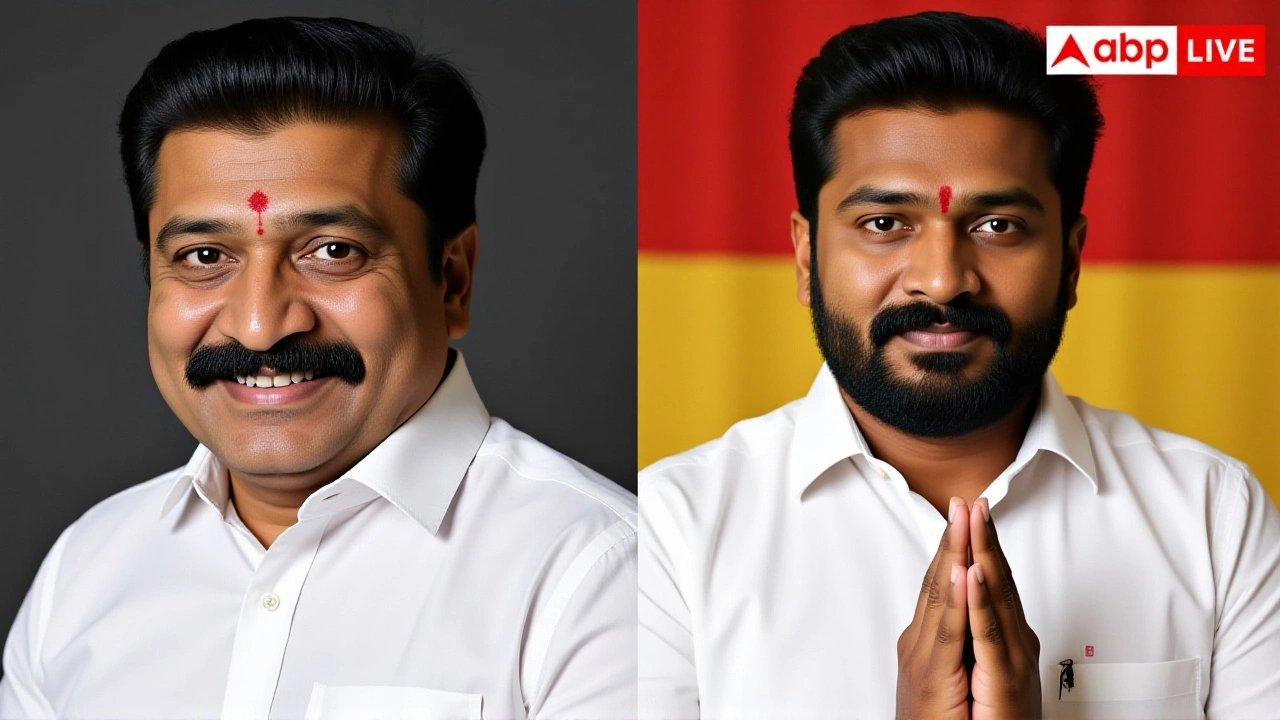
The political landscape in Tamil Nadu has been thrown into chaos following a stunning election upset that saw Bollywood superstar-turned-politician C. Joseph Vijay emerge as the leader of the single largest party, yet fall short of forming a government. His new outfit, the Tamilaga Vettri Kazhagam (TVK), won 108 seats in the 234-member assembly—a historic achievement for a debutant party—but missed the magic number of 118 needed to claim a majority.
Here’s the thing: winning the most seats doesn’t automatically grant you the keys to power. The constitutional dilemma is now center stage. With 108 seats, Vijay is five votes shy of the threshold. Even more complicated, he contested from two constituencies and won both, meaning he must vacate one seat. This effectively drops his party’s strength to 107, widening the gap to 11 additional allies needed to cross the finish line.
The Constitutional Showdown
The twist is how the state machinery responded. Reports indicate that Vijay visited Lok Bhavan and later the Raj Bhavan to meet Governor Rajendra Arlekar. He presented support letters from 113 MLAs, arguing he had the confidence of the house. But wait—the Governor rejected this, insisting on proof of 118 members before inviting him to form the government.
This isn't just bureaucratic nitpicking; it’s a test of Supreme Court precedents. Political veteran Omar Abdullah, former Chief Minister of Jammu and Kashmir, weighed in publicly. "If we go by Supreme Court judgments, there should be no President's Rule," Abdullah stated. He pointed out that the largest party must be invited to form the government first, citing the example of Atal Bihari Vajpayee’s 13-day government in 1996. That precedent suggests Vijay should get the chance to prove his majority on the floor, even if he starts without a clear mandate.
Allies, Enemies, and Conditional Support
So, who is backing Vijay? The Indian National Congress has thrown its weight behind him, but with strings attached. Five Congress MLAs have pledged support, bringing the total closer to the mark. Girish Chotanar, the Congress unit chief in Tamil Nadu, framed this as respecting the "people's verdict." However, the support is conditional. Sources suggest Vijay must maintain distance from certain ideological rivals—likely referring to the BJP or other right-leaning groups—to keep these alliances intact.
On the flip side, the traditional powerhouse All India Anna Dravida Munnetra Kazhagam (AIADMK) has firmly shut the door. They refused to support TVK, making the math significantly harder for Vijay. This rejection forces the actor-turned-leader to rely on smaller parties and independents, a fragile coalition at best.
Conflicting Reports on Swearing-In
Turns out, the media narrative is split. Some reports claimed the Governor stayed the swearing-in ceremony, citing lack of majority proof. Yet, other credible sources reported that C. Joseph Vijay was indeed sworn in as Chief Minister on Sunday morning at 10:15 AM. If true, this would make history—the first film star to lead the state since M.G. Ramachandran decades ago. Rahul Gandhi was reportedly present at the ceremony, signaling strong national party backing.
If the swearing-in did happen, Vijay wasted no time. He immediately announced two major populist measures: free electricity up to 200 units for households and the formation of a Special Task Force to implement it. He also launched an aggressive anti-corruption drive, promising that not a single rupee of public money would be misused. "In the next three months, you will see massive changes in eradicating corruption from government offices," he declared.
What Does This Mean for Tamil Nadu?
The implications are seismic. For years, Tamil Nadu politics was dominated by the DMK and AIADMK duopoly. Now, a third force led by a global icon has disrupted the status quo. But stability is questionable. Without a clear majority, the government could face immediate no-confidence motions. The coming weeks will determine if this is a stable administration or a fleeting experiment in celebrity politics.
Frequently Asked Questions
Why does TVK need 118 seats if they won 108?
The Tamil Nadu Legislative Assembly has 234 seats. To form a government, a party needs more than half, which is 118. Since TVK won only 108 seats, they lack the absolute majority required to govern without relying on external support from other parties or independent legislators.
Did C. Joseph Vijay actually become Chief Minister?
Reports are conflicting. While some sources say the Governor blocked the process due to insufficient majority proof, other reports confirm Vijay was sworn in on Sunday at 10:15 AM. The final confirmation depends on official state records and whether the government survives a floor test.
What role is the Congress playing in this crisis?
The Indian National Congress has provided crucial conditional support through five of its MLAs. This alliance helps bridge the gap between TVK's 107 effective seats and the 118 needed, though it comes with demands for ideological distancing from rival parties.
Why did AIADMK refuse to support Vijay?
AIADMK, a traditional rival to the current ruling DMK, chose not to back TVK. This decision likely stems from strategic calculations to prevent a strong opposition bloc or ideological differences, forcing Vijay to seek support from smaller, less predictable factions.