
When Dr. Indramani Tripathi, District Magistrate of Mainpuri District Administration, declared that solar energy is "the need of the hour" during a recent review meeting, it wasn't just rhetorical flair. It was a direct response to a grid buckling under record-breaking demand. The directive came with teeth: strict deadlines for banks and vendors to accelerate installations under the central government's flagship scheme.
Held in Mainpuri, Uttar Pradesh, India, the meeting focused on clearing bottlenecks in the PM Surya Ghar Muft Bijli Yojana. With electricity and fuel demands spiking nationwide, the local administration realized that waiting for grid upgrades wasn't an option. Instead, they’re pushing decentralized solar power to relieve pressure on the national grid and provide immediate relief to households.
The Bottleneck: 498 Pending Files
Here’s the thing: great policies often stall at the implementation stage. In Mainpuri, the data revealed a significant backlog. Across various banks in the district, 498 application files were pending approval. These aren't just papers; they represent nearly 500 homes waiting for subsidies to install solar panels.
Dr. Tripathi didn’t mince words. He issued a clear warning to banking representatives: negligence is not acceptable. Every single one of those 498 files must be approved by May 25. The emphasis was on speed and certainty—ensuring that once approved, the financial distribution reaches beneficiaries without delay. It’s a classic case of administrative pressure being applied to break bureaucratic inertia.
Vendors Face Strict Installation Quotas
But approvals are only half the battle. You can have the money, but if no one installs the panels, nothing changes. To address this, the DM set a mandatory target for all registered vendors. Starting immediately and continuing until May 30, every vendor must install one solar panel per day.
Over the 15-day window, that translates to a minimum of 15 installations per vendor. This isn't a suggestion; it's an administrative order. The goal is to create a visible surge in physical infrastructure. By tying vendor performance to daily metrics, the administration aims to ensure that the scheme moves from paper promises to rooftops across the district.
Government Buildings Lead by Example
While households get subsidies, the government is also looking inward. A key directive from the meeting prioritized installing solar systems in all government buildings within the district. This includes offices, schools, and health centers.
Why does this matter? Two reasons. First, it reduces the operational cost for public institutions. Second, and perhaps more importantly, it signals commitment. When citizens see their local administration running on solar power, trust in the scheme grows. It also directly reduces the load on the local grid during peak daytime hours, which is when solar generation is highest.
The National Context: A Grid Under Stress
To understand why Mainpuri is moving so fast, you have to look at the bigger picture. India is currently facing an unprecedented energy crunch. Recent data paints a stark picture:
- Record Demand: On April 25, 2026, national electricity demand hit a historic high of 256 gigawatts (GW).
- Evening Deficits: While daytime supply managed to keep up, the evening saw a shortage of 4.2 GW around 10:39 PM. The previous night, the deficit was even larger at 5.4 GW.
- Solar's Limitation: Despite having an installed solar capacity of roughly 150 GW, solar power contributed only 0.1% to evening demand after sunset. During the day, it covered about 21.5% of peak demand.
This mismatch is the core problem. Solar works great when the sun is out, but demand spikes when people return home and turn on fans and lights. In 2025 alone, approximately 2.3 terawatt-hours (TWh) of solar energy went unused because the grid couldn't absorb or store it efficiently.
Expert Analysis: Storage Is Key
Industry experts point out that while increasing solar installation is crucial, it’s not a silver bullet without storage. The current challenge isn't just generating power; it's managing the flow. Thermal plants, which traditionally handle base load and evening peaks, are struggling. Reports indicate that about 21 GW of thermal capacity was unexpectedly offline, reducing actual output from an installed 227 GW to just 184-187 GW.
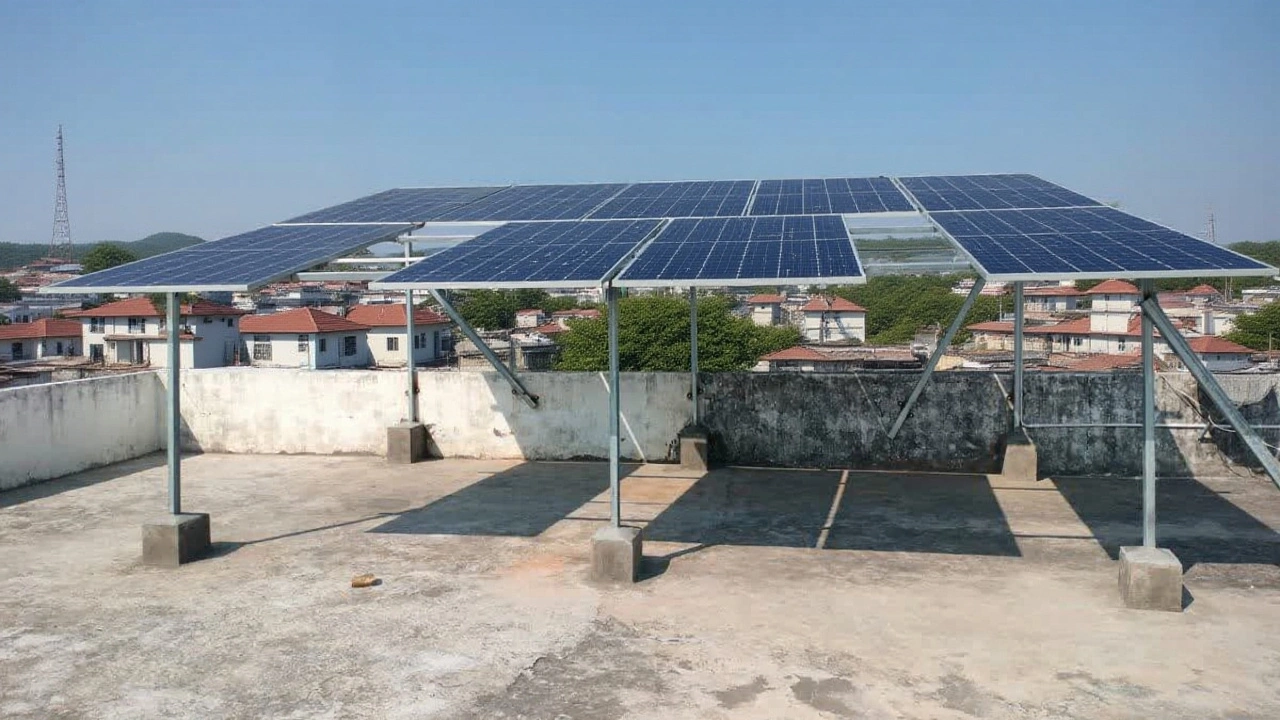
The solution, according to energy analysts, lies in scaling up Battery Energy Storage Systems (BESS). Without large-scale batteries to store excess daytime solar power for evening use, the grid will remain vulnerable to these daily swings. However, battery infrastructure takes time to build. In the meantime, decentralized rooftop solar—as being pushed in Mainpuri—offers a way to generate power exactly where and when it’s needed, bypassing some transmission losses and grid congestion.
What’s Next for Mainpuri?
The coming weeks will be critical. If banks meet the May 25 deadline and vendors hit their daily targets, Mainpuri could become a model for rapid scheme implementation in Uttar Pradesh. The focus now shifts to monitoring quality and ensuring that the installed systems are functional and connected properly.
For residents, the message is clear: act now. The window for quick approvals is open, but it’s closing. For the administration, the test is whether this burst of activity leads to sustained adoption or fades once the deadline passes. Given the severity of the national power crisis, there’s little room for error.
Frequently Asked Questions
What is the PM Surya Ghar Muft Bijli Yojana?
It is a central government initiative aimed at providing free electricity to households by subsidizing the installation of rooftop solar panels. The scheme covers up to 3 kW of capacity for most homes, helping reduce monthly bills and easing grid pressure.
Why are banks involved in solar panel installations?
Banks process the subsidy applications and disburse funds to vendors and beneficiaries. They play a crucial role in verifying eligibility and ensuring timely payment, which is why the DM emphasized clearing the 498 pending files by May 25.
How does rooftop solar help with the evening power shortage?
While rooftop solar doesn't generate power at night, it significantly reduces daytime grid load. This allows the grid to reserve thermal and hydro capacity for evening peaks. Additionally, net metering credits earned during the day can offset nighttime consumption.
What happens if vendors miss their daily installation targets?
The directive described the targets as "mandatory." While specific penalties weren't detailed in the report, failure to meet such administrative orders typically results in warnings, suspension of empanelment, or blacklisting from future government contracts.
Is solar energy enough to solve India's power crisis?
Solar is a vital part of the solution, but not the whole answer. Experts argue that without massive investment in battery storage and improved thermal plant reliability, solar alone cannot meet evening demand. A hybrid approach combining renewables, storage, and efficient grid management is required.